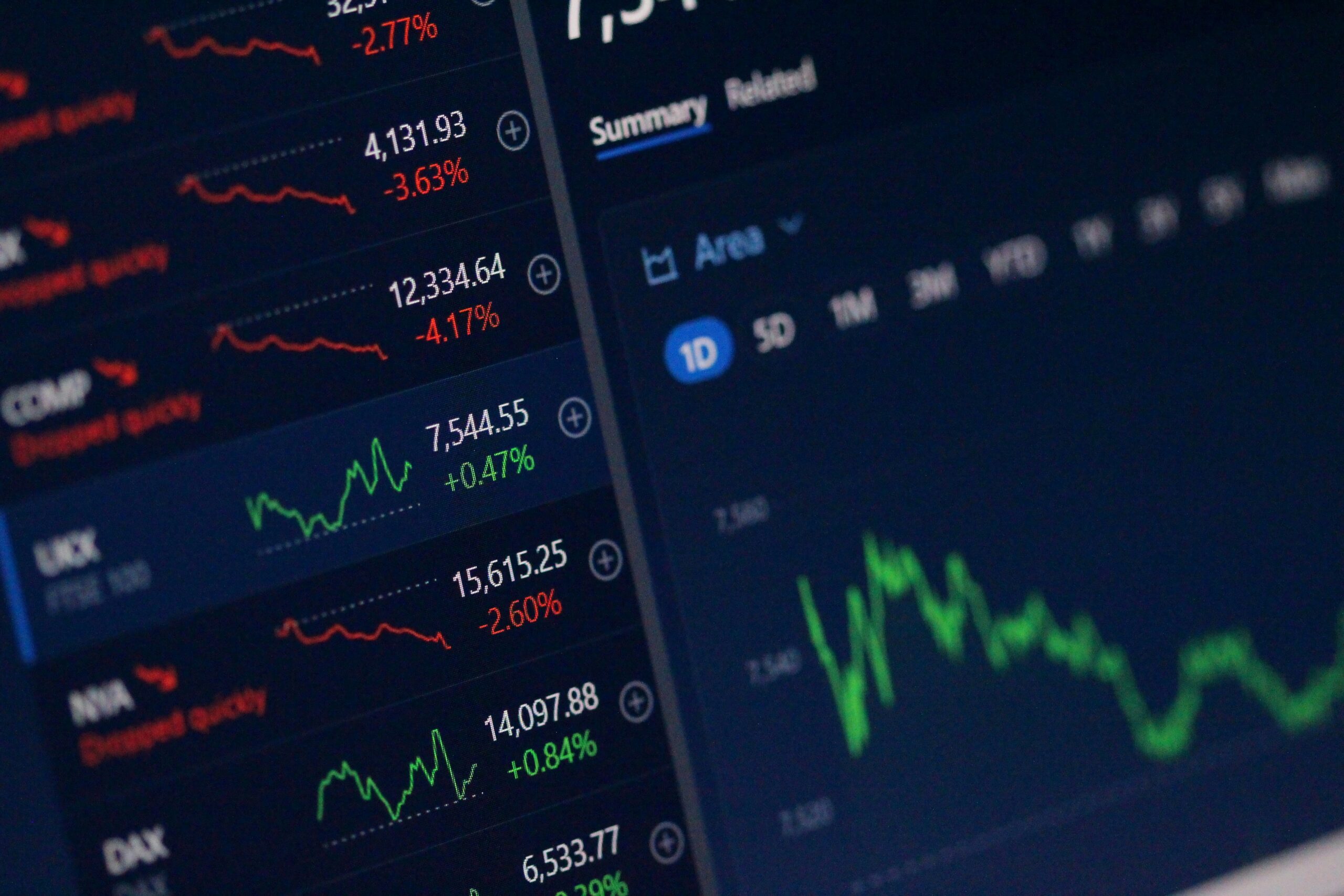
Long-term investing is often described as a marathon, not a sprint. While short-term market movements can feel unpredictable and emotional, long-term success usually depends on understanding broader market trends and responding to them with patience and clarity. By learning how market trends work and how they influence investments over time, investors can make more informed decisions and build sustainable wealth. This article explores market trends in a simple, practical way, helping long-term investors stay focused and confident.
What Market Trends Really Mean
Market trends refer to the general direction in which financial markets move over time. These trends can last for months, years, or even decades. Instead of focusing on daily price changes, long-term investors look at patterns shaped by economic growth, business cycles, consumer behavior, and global events. Understanding these patterns helps investors see the bigger picture rather than reacting to short-term noise.
Many factors, including interest rates, inflation, corporate earnings, technological innovation, and government policies, influence trends. While no one can predict the market with perfect accuracy, recognizing these forces can help investors align their strategies with long-term opportunities rather than temporary fluctuations.
The Role of Economic Cycles in Investing
Economic cycles play a significant role in shaping market trends. Economies generally move through periods of expansion, slowdown, recession, and recovery. During expansion, businesses grow, employment rises, and stock markets often perform well. In slower periods or recessions, markets may decline as spending and profits decrease.
Long-term investors do not try to time these cycles perfectly. Instead, they use them to understand why markets behave the way they do. Recognizing that downturns are a regular part of the cycle can prevent panic-driven decisions. Over time, markets have historically recovered and continued to grow, rewarding investors who stayed committed through challenging phases.
How Long-Term Trends Shape Investment Decisions
Long-term market trends often reflect structural changes in the economy. These can include population growth, aging demographics, digital transformation, or shifts toward renewable energy. Such trends unfold gradually and can influence entire industries for years.
For investors, identifying these long-term developments can provide valuable insight into which sectors may experience sustained growth. Rather than chasing short-term hype, long-term investing focuses on businesses and industries that benefit from lasting economic and social changes. This approach encourages thoughtful decision-making based on fundamentals rather than emotions.
Managing Emotions in a Changing Market
One of the biggest challenges in understanding market trends is managing emotions. Market volatility can trigger fear during downturns and overconfidence during rallies. News headlines and social media often amplify these emotions, making it harder to stay focused on long-term goals.
A practical approach to long-term investing involves trusting a well-researched strategy and avoiding impulsive reactions. By understanding that market trends evolve, investors can remain calm during temporary declines and avoid chasing sudden gains. Emotional discipline is often just as important as financial knowledge for long-term success.
The Importance of Consistency and Patience
Consistency is a key principle in long-term investing. Market trends do not change overnight, and meaningful growth often takes time. Investors who consistently invest and stay aligned with long-term trends are more likely to benefit from compounding returns.
Patience allows investors to ride out periods of uncertainty while giving their investments time to grow. Instead of constantly adjusting strategies based on short-term market movements, a steady approach helps reduce stress and improve decision-making. Over the long run, consistency and patience often outperform frequent market-timing-driven changes.
Using Data and History as a Guide
Historical market data can provide valuable context for understanding trends. While past performance does not guarantee future results, it can reveal how markets have responded to similar conditions in the past. Looking at long-term charts and economic history helps investors see that markets have endured wars, recessions, and crises, yet continued to grow over time.
This historical perspective reinforces the idea that temporary downturns are part of a larger journey. By studying long-term patterns, investors can build confidence in their strategy and avoid being distracted by short-term setbacks.
Staying Flexible Without Losing Focus
A practical approach to long-term investing also involves staying flexible. Market trends can shift as new technologies emerge or global conditions change. Flexibility does not mean abandoning a strategy; instead, it means being open to adjusting it when long-term fundamentals change.
Successful long-term investors balance discipline with adaptability. They stay informed, review their investments periodically, and make thoughtful adjustments when necessary. This balanced mindset helps investors remain resilient while still aligned with long-term trends.
Building Confidence Through Understanding
Understanding market trends is not about predicting the future, but about making informed choices based on reliable information and long-term thinking. By focusing on economic cycles, structural changes, emotional discipline, and historical context, investors can develop a practical framework for long-term investing.
When investors understand why markets move the way they do, uncertainty becomes more manageable. This knowledge builds confidence, encourages patience, and supports smarter decisions over time. In the end, long-term investing is less about reacting to the market and more about understanding it, trusting the process, and staying committed to long-term financial goals.