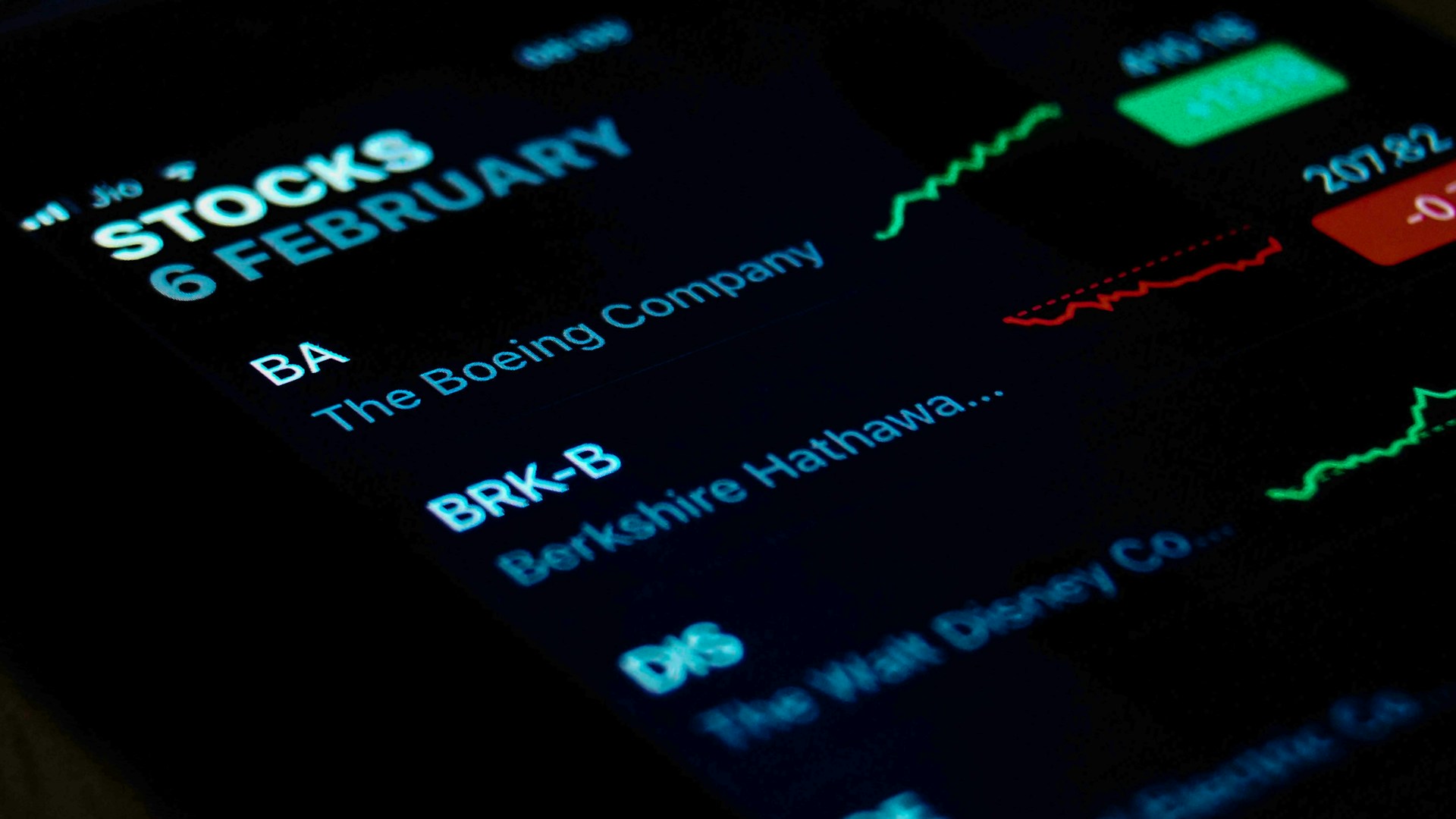
The stock market can feel complex at first, but with the right approach, anyone can learn how it works. Many investors begin their journey by exploring stock market insights to understand how prices move and why trends form. As you gain knowledge, you can make smarter decisions and reduce risk. This guide explains stock market analysis and trend forecasting practically.
Understanding Stock Market Analysis
Stock market analysis involves studying data to evaluate a stock’s value and future potential. Investors use this process to decide when to buy, sell, or hold an asset. In general, there are two main types of analysis, fundamental and technical.
Fundamental analysis focuses on a company’s financial health. For example, investors review earnings, revenue, and growth potential. They also consider factors like industry trends and economic conditions. As a result, this method helps you understand whether a stock is truly worth its price.
Technical analysis, on the other hand, studies price charts and patterns. Traders look at past price movements to predict future behavior. Because markets often follow trends, this approach can help identify entry and exit points. Therefore, combining both methods often leads to better decisions.
Key Tools Used in Market Analysis
To analyze the market effectively, investors rely on several tools. Charts are one of the most important tools because they show how prices change over time. Line, bar, and candlestick charts all provide useful insights.
Indicators also play a key role in analysis. For instance, moving averages help smooth price data and reveal trends. Relative Strength Index, or RSI, shows whether a stock is overbought or oversold. In addition, volume indicators highlight how much trading activity is happening, which can confirm trends.
News and economic data also influence stock prices. Interest rates, inflation, and global events often impact investor behavior. Because of this, staying up to date on current events is essential for accurate analysis.
What Is Trend Forecasting?
Trend forecasting is the process of predicting future market movements based on past data and current conditions. Investors use this method to anticipate price changes and plan their strategies. Although no prediction is perfect, forecasting helps reduce uncertainty.
There are three main types of trends in the stock market: upward, downward, and sideways. An upward trend shows rising prices, while a downward trend indicates falling prices. A sideways trend occurs when prices move within a range. By identifying these patterns early, investors can act with greater confidence.
In the middle of this discussion, it is important to focus on financial trend analysis, because it connects data with future expectations. This approach allows investors to spot opportunities and avoid potential losses. As a result, it plays a major role in successful investing.
Common Strategies for Predicting Trends
Investors use several strategies to forecast trends. One popular method is the use of moving averages. When a short-term average crosses above a long-term average, it may signal a buying opportunity. Conversely, when it crosses below, it may indicate a selling point.
Another strategy involves support and resistance levels. Support is the price level at which a stock tends to stop falling, while resistance is the price level at which it tends to stop rising. By identifying these levels, traders can predict potential reversals.
Momentum indicators also help forecast trends. These tools measure the speed of price changes. If momentum is strong, the trend is likely to continue. However, if momentum weakens, a reversal may occur. Therefore, combining multiple strategies often leads to better predictions.
Risks and Limitations of Forecasting
While trend forecasting is useful, it is not always accurate. Markets can change quickly due to unexpected events. For example, political decisions or economic crises can disrupt trends. Because of this, relying solely on predictions can be risky.
Emotions also affect decision-making. Fear and greed often lead investors to make poor choices. Even with strong analysis, emotional reactions can result in losses. Therefore, maintaining discipline is essential for long-term success.
Another limitation is overconfidence in data. While charts and indicators provide valuable insights, they do not guarantee outcomes. As a result, investors should always use risk management strategies, such as setting stop-loss orders.
How Beginners Can Get Started
If you are new to stock market analysis, start with the basics. Learn how to read charts and understand key indicators. Many online platforms offer free tools and tutorials to help beginners.
Next, practice with a demo account before investing real money. This allows you to test strategies without financial risk. In addition, start with small investments to build confidence gradually.
It is also helpful to follow experienced investors and learn from their strategies. Books, podcasts, and online courses can provide valuable knowledge. Over time, you will develop your own approach to analysis and forecasting.
Final Thoughts on Market Analysis and Forecasting
Stock market analysis and trend forecasting are essential skills for any investor. By understanding how markets behave, you can make informed decisions and improve your investment results. While no method guarantees success, consistent learning and practice can lead to better outcomes. As you continue your journey, focus on building strong knowledge and managing risk wisely. In the end, mastering these skills will help you grow as an investor and achieve your financial goals, where balance and control matter just as much as strategy.